Remember when we had to manually update our phones? Me neither.
Today, we expect our phones to improve while we sleep. An update happens overnight and, by morning, there might be a new feature, a smoother interface or a useful improvement we didn't even know we needed. We rarely question it. We simply expect the technology in our pockets to keep getting better.
Now imagine the same thing happening in your home.
Connected appliances and over-the-air (OTA) software updates are bringing this experience into the home.
Most of us have heard of smart appliances. But what actually makes an appliance smart – and, more importantly, what does that mean for the person using it? YouGov data shows that while 90% of Britons are aware of smart home appliances, only 24% say they feel fully knowledgeable about them.
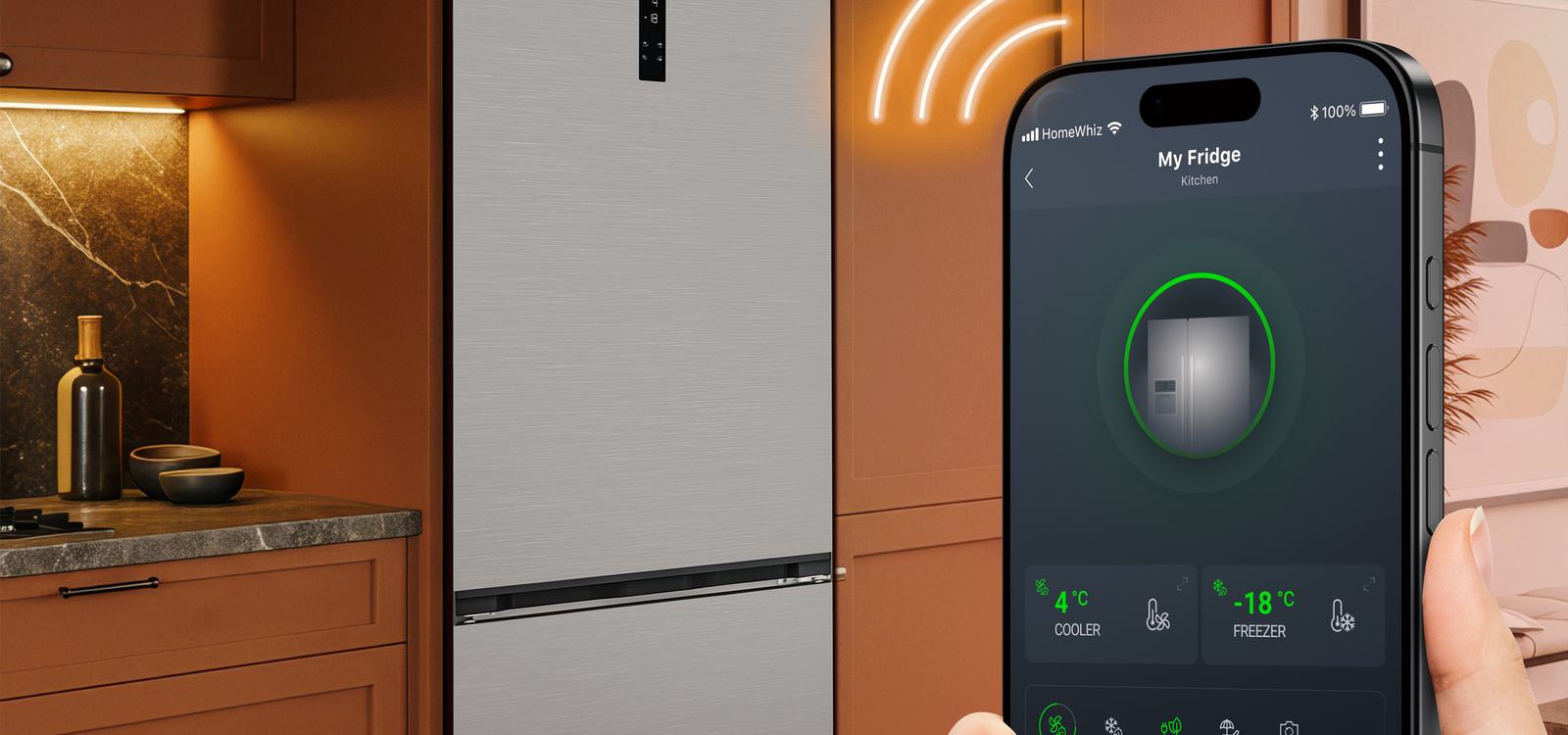
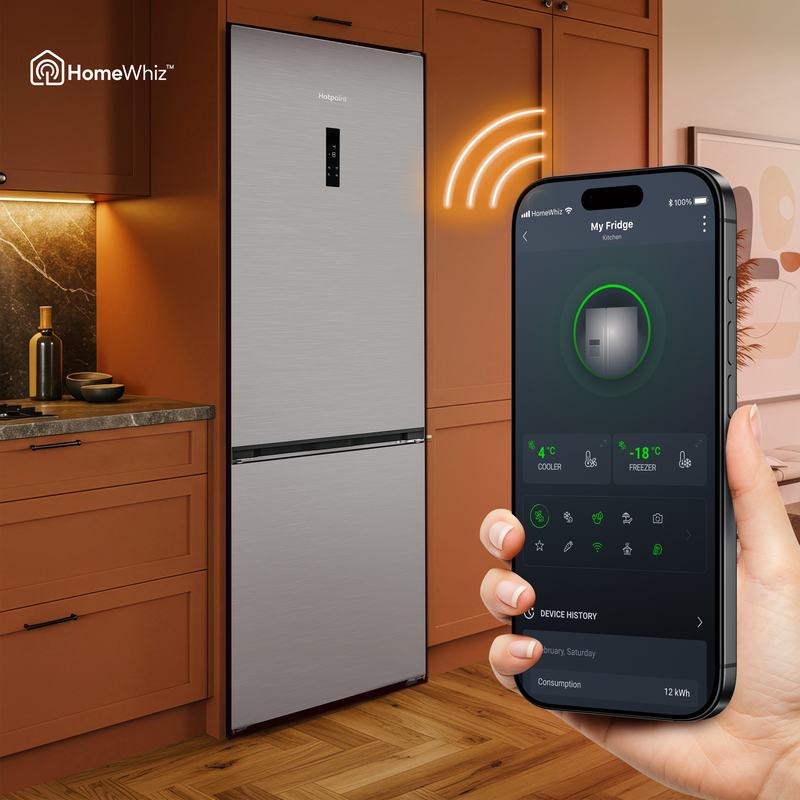
Beko’s HomeWhiz platform brings connected technology to life, helping homeowners understand energy and water use, identify potential issues before they become faults, receive software updates and get more from their appliances over time.
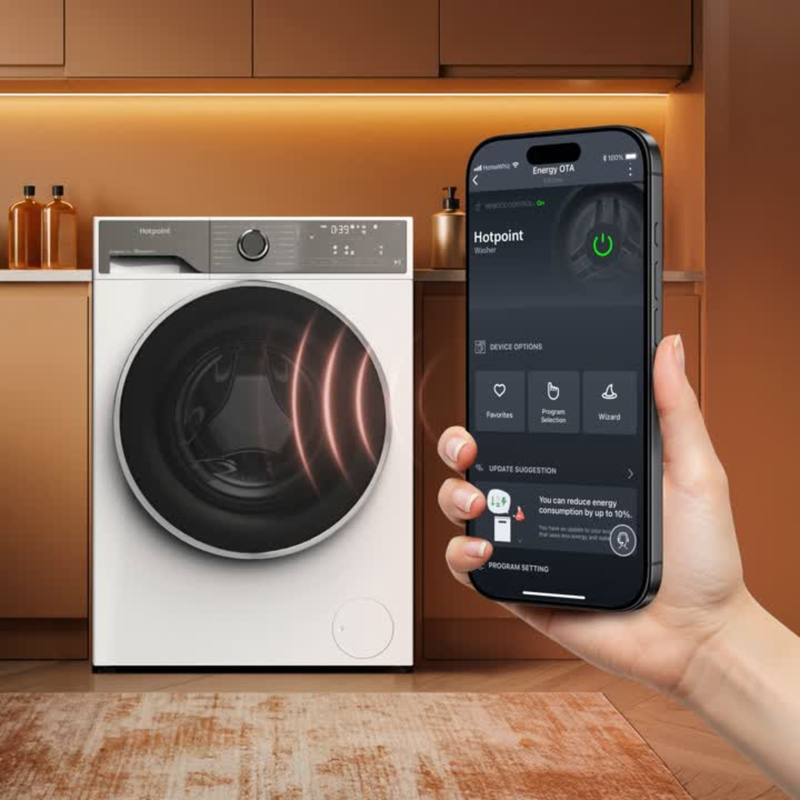
Take the weekly wash. No two households use their washing machine in quite the same way. Everyone has slightly different preferences, even if they don’t think much about them. Beko’s Adaptive Wash feature uses feedback to tailor future wash cycles to individual preferences, while Intelligent Guidance helps users get the best performance from their appliance and supports ongoing care and maintenance.
And the benefits go beyond convenience. Connected technology can also help households understand and manage how much energy and water their appliances use.
That matters when running costs are such a big concern. Beko’s Smart Living Index found that energy costs were the environmental issue having the biggest impact on daily life in eight of the 12 markets surveyed. More than 75% of consumers in every country surveyed also said they had changed the way they buy appliances over the previous 12 months.
For households trying to keep bills under control, having a clearer view of how much energy and water they are using can help them make more informed choices about how they use their appliances.
For housebuilders, this raises an interesting question: what if appliance specification didn't have to be fixed on the day the keys are handed over?
A connected appliance can continue to evolve after installation, with software updates introducing new functionality and enhancements over time. Connected features can also help homeowners get more from their appliances, while diagnostics can support easier maintenance.
That means the value of the specification doesn't necessarily stop on move-in day. The appliance can continue to deliver value throughout its life, rather than remaining fixed from the moment it is installed.
It brings us back to the phone beside the bed. We already expect the technology in our pockets to keep improving after we buy it. Connected appliances bring that same expectation into the home.
For housebuilders, this creates a different way to think about specification: not simply choosing appliances that work well today, but choosing technology that can continue to deliver value for the homeowner long after the keys have been handed over.

Beko Appliance Partners
Beko House
1 Greenhill Crescent
Watford
Hertfordshire
0333 207 9710