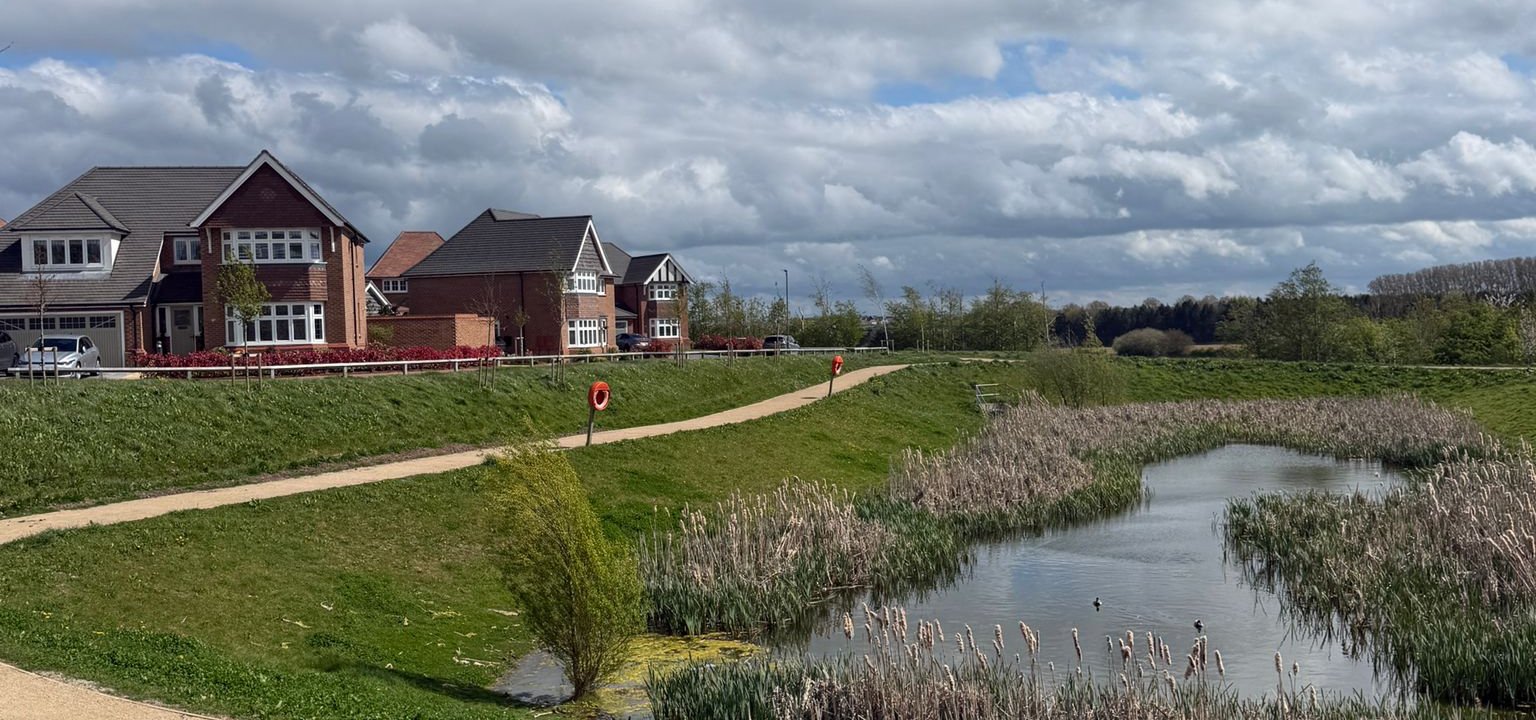
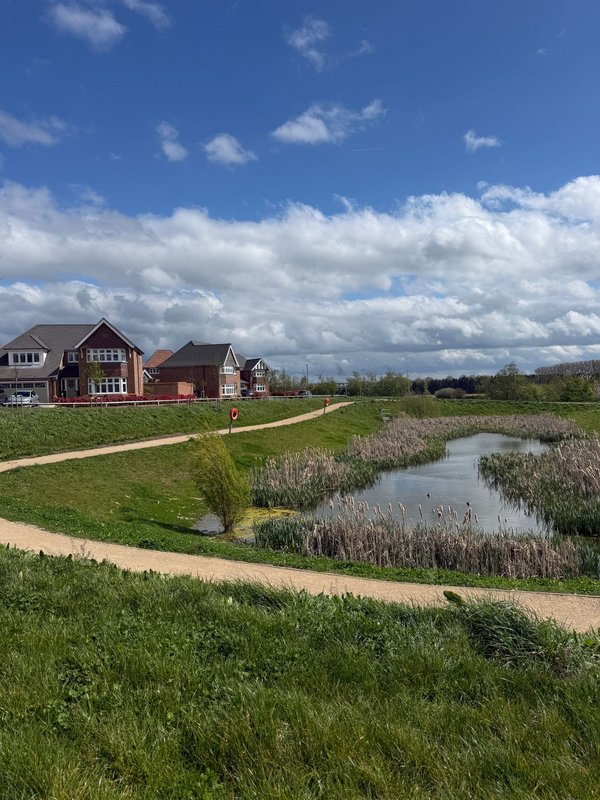
As environmental and placemaking requirements increase open space within residential development, housebuilders need cost-certain stewardship models that avoid long-term liabilities for residents.
Why traditional stewardship models are under pressure
Planning applications for new residential development increasingly require larger areas of open space, whether to meet obligations such as Suitable Alternative Natural Greenspace and Biodiversity Net Gain, support placemaking, or strengthen the wider planning case.
While these spaces add long-term value to developments, they also create ongoing costs and liabilities. Many housebuilders are reluctant to pass these on through service-charge-funded stewardship arrangements, particularly at a time of increased scrutiny around resident fairness and transparency.
An alternative approach
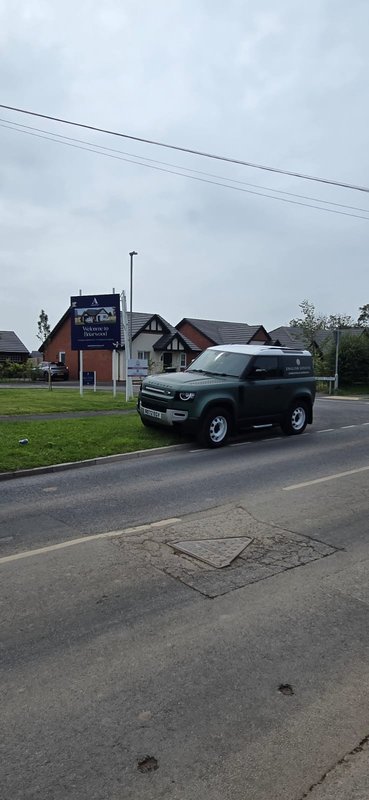
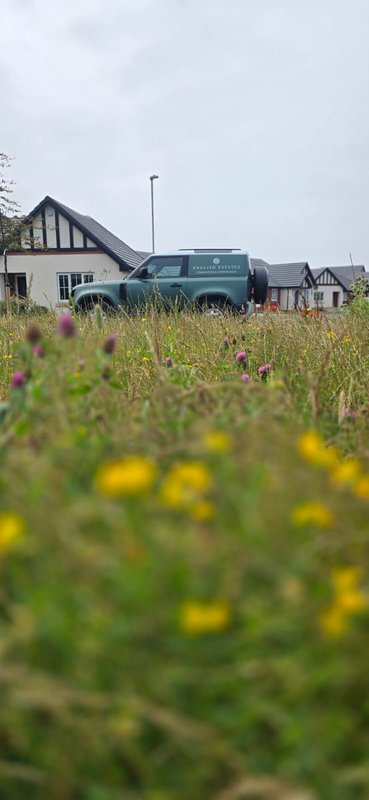
English Estates has developed a Private Adoption model designed to give housebuilders a fixed-cost, fully risk-transferred alternative to the traditional Section 106 commuted sum arrangement with local authorities. In return for a single upfront Private Adoption Fee, developers can transfer long-term ownership, management and funding responsibility, removing future maintenance liabilities and avoiding local authority step-in rights.
Open spaces including SANG and country parks are owned by The Greenspace Trust CIC, a not-for-profit organisation with a statutory asset lock, and managed by English Estates, providing a specialist structure for long-term stewardship and delivery.
For schemes where resident funded stewardship routes are less attractive or less viable, Private Adoption offers a credible alternative built around cost certainty, long-term delivery and reduced resident burden.
For more information about English Estate’s Private Adoption model, contact Joe Heath, Director of Environment and Biodiversity, on 07951878153 or at joe@englishestates.co.uk.

Indevor Group
10th Floor 3 Hardman Street
Spinningfield
Manchester
0845 009 3016